

How does one solve a jigsaw puzzle in the fastest way possible?
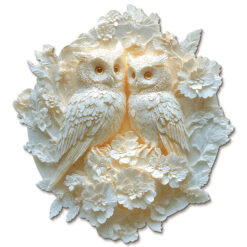
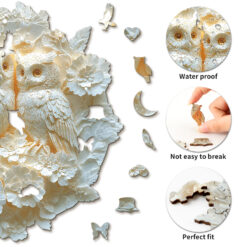
Animal Puzzles
Price range: $19.99 through $39.99
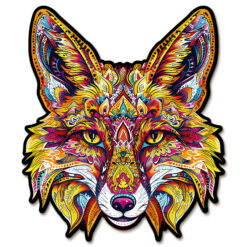
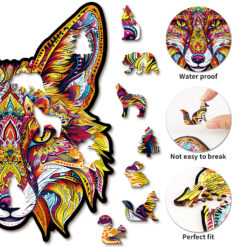
Animal Puzzles
Price range: $19.99 through $39.99
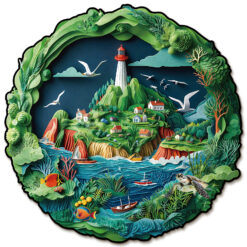
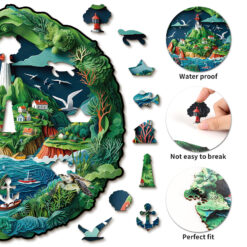
Natural Scene Puzzles
Price range: $19.99 through $39.99
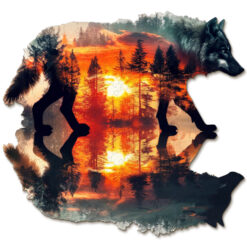
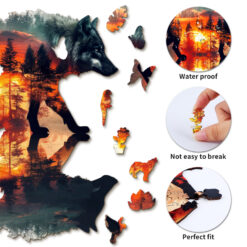
Animal Puzzles
Price range: $19.99 through $39.99
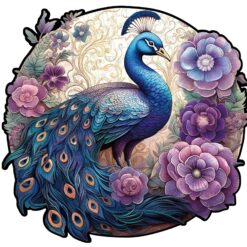
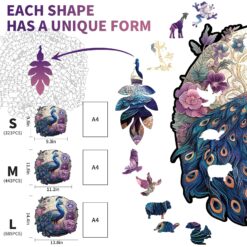
Animal Puzzles
Price range: $19.99 through $39.99
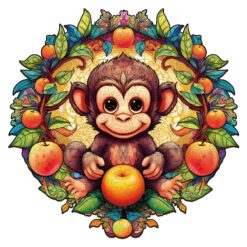
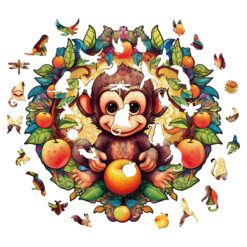
Animal Puzzles
Price range: $19.99 through $39.99
Animal Puzzles
Price range: $19.99 through $39.99
Animal Puzzles
Price range: $19.99 through $39.99
Solving a jigsaw puzzle quickly isn’t just luck—it’s about strategy, organization, and pattern recognition. Here’s a comprehensive step-by-step approach to maximize speed:
1. Sort and Organize Pieces
- Edge Pieces First: Separate all edge and corner pieces. They form the frame and give you a structure to work within.
- Color & Pattern Groups: Group pieces by similar colors, patterns, or textures. This helps you locate pieces faster for specific sections.
- Shape Sorting (Optional): For experienced puzzlers, sorting pieces by tab/blank shapes can speed up fitting.
2. Build the Frame
- Start with the corners, then connect edges. A solid frame makes the inner puzzle pieces easier to place.
3. Focus on Distinct Areas
- Identify areas with unique patterns or colors—these are usually faster to complete.
- For large uniform areas (like sky or water), focus on color gradients or slight pattern differences.
4. Work from the Outside In
- After the frame, fill in the puzzle working in sections, not randomly. Sections reduce confusion and speed up locating pieces.
5. Use Visual Cues
- Pay attention to:
- Lines & Shapes: Continuous lines or edges in the image often cross multiple pieces.
- Shadows & Highlights: Even slight changes in color help distinguish pieces.
- Texture: Wood, fabric, or repetitive patterns can be cues for placement.
6. Piece Placement Strategy
- Trial & Error Wisely: Don’t waste time forcing pieces. If it doesn’t fit, move on—this prevents mental fatigue.
- Fit by Shape, Then Image: Sometimes shapes can guide placement faster than image cues, especially in uniform areas.
7. Keep the Workspace Efficient
- Use a large, well-lit surface.
- Have pieces face up and spaced enough to see details.
- Consider a sorting tray or containers for faster access.
8. Practice and Pattern Recognition
- Experienced puzzlers naturally recognize patterns, piece shapes, and color gradients faster.
- The more puzzles you do, the faster your brain can “see” where pieces fit.
9. Optional Advanced Techniques
- Edge & Corner Templates: For very large puzzles, pre-assemble edges in separate templates, then connect.
- Digital Puzzle Practice: Apps and virtual puzzles can improve pattern recognition and speed.
💡 Key Insight: Speed comes from organization, pattern recognition, and minimizing wasted movements. Randomly trying pieces is the slowest method—structured approaches save massive time.
👉 Leave your email to receive exclusive puzzle discounts, new arrivals, and family gift ideas.
Animal Puzzles
Wooden Jigsaw Puzzle – Snuggling elephant
Animal Puzzles
Wooden Jigsaw Puzzle – vibrant seahorses
Culture Puzzles
Wooden Jigsaw Puzzle – Christmas message in a bottle
Culture Puzzles
Wooden Jigsaw Puzzle- OPERA MASK ADVISER
Animal Puzzles
Wooden Jigsaw Puzzle – Gorgeous Fox
Culture Puzzles
Wooden Jigsaw Puzzle – City of Machinery
Culture Puzzles
Wooden Jigsaw Puzzle – Santa
Animal Puzzles
Wooden Jigsaw Puzzle – Enchanting White Cat