

An Ontology of the Die-Cut: Beyond the Cardboard Jigsaw
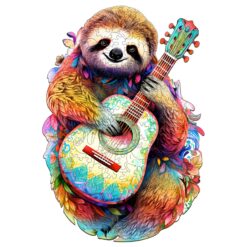
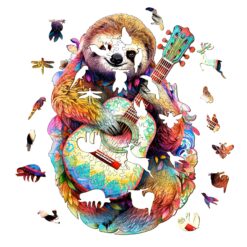
Animal Puzzles
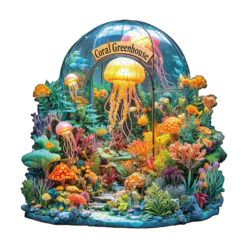
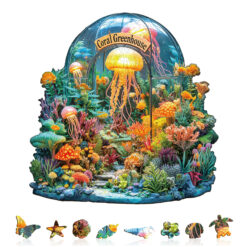
Culture Puzzles


Animal Puzzles
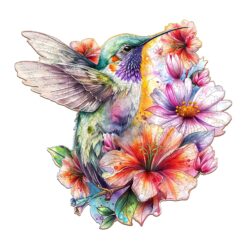
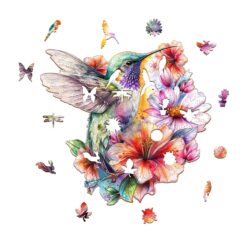
Animal Puzzles
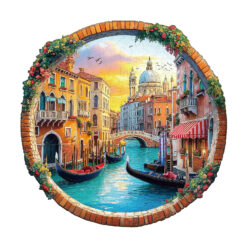
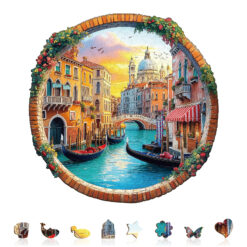
Culture Puzzles
Animal Puzzles
Animal Puzzles

Animal Puzzles
Introduction: The First Click
For most, the term “jigsaw puzzle” conjures the image of a floppy cardboard sheet, a thousand near-identical pieces, and the faint smell of ink and recycled paper. Yet, beyond this mainstream conception exists a refined, tactile, and deeply engaging counterpart: the artisan wooden jigsaw puzzle. More than a mere pastime, these puzzles represent a confluence of art, craftsmanship, and cognitive play. They transform a simple activity into a multi-sensory experience, where the click of a perfectly fitted piece is a small, deeply satisfying reward.
A Brief History: From Maps to Masterpieces
The jigsaw’s origins are didactic. In the 1760s, London mapmaker John Spilsbury mounted maps on hardwood and used a marquetry saw to cut along national borders, creating “dissected maps” to teach geography. The invention of the treadle-powered jigsaw in the late 19th century allowed for more intricate, decorative cuts, giving the puzzle its name. While mass-produced cardboard puzzles democratized the hobby in the 20th century, a niche market for premium wooden puzzles persisted, championed by bespoke makers who viewed each puzzle as a unique creation.
The Anatomy of an Artisan Puzzle: More Than Just Pieces
What truly distinguishes a wooden puzzle is its construction.
- The Substrate: High-quality, laser-cut or hand-cut 1/4″ Baltic birch plywood is the standard. It provides a rigid, durable feel and allows for precise, clean cuts without splintering.
- The Cut: This is the soul of the puzzle. Instead of a standard grid, artisans employ “random-cut” or “ribbon-cut” patterns, often following the contours of the image’s colors and shapes. This eliminates the tedious process of sorting edge pieces and makes the entire surface a potential starting point.
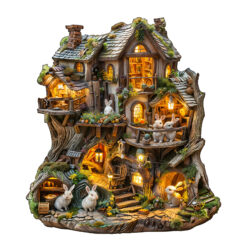
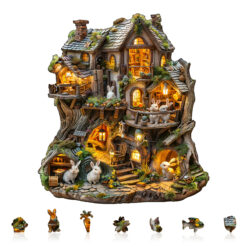
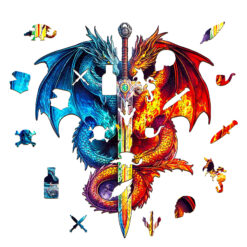
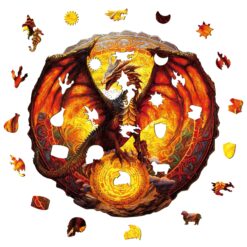
- Figural Pieces (Whimsies): The most delightful feature. Integrated into the cut are custom-shaped pieces that reflect the puzzle’s theme—a cat shape in a puzzle of a garden, a violin in an orchestra scene, or a teapot in a still life. These are not separate pieces; they are part of the interconnected cut, serving as surprise discoveries that break the monotony.
The Tactile Experience: A Meditation in Wood
Solving a wooden puzzle is a fundamentally different endeavor. The substantial weight of the pieces, the smooth feel of the laser-cut edge, and the unmistakable, positive snap of a correct fit create a deeply immersive and meditative rhythm. The process relies less on the trial-and-error of matching knobs and holes and more on a holistic understanding of the image’s color gradients and the unique, irregular shapes of the pieces themselves. It is a quiet, focused engagement that rewards patience and pattern recognition.
Conclusion: A Return to Craft
In a world of digital distractions and disposable entertainment, the artisan wooden jigsaw puzzle stands as an antidote. It is an object of beauty, a testament to craftsmanship, and an invitation to slow down. It asks the solver to appreciate not just the completed picture, but every individual piece as a unique artifact. It is a hobby that engages the hands, focuses the mind, and delivers a profound, quiet satisfaction that cardboard simply cannot replicate—one perfectly fitting, whimsically shaped piece at a time.
👉 Leave your email to receive exclusive puzzle discounts, new arrivals, and family gift ideas.
Animal Puzzles
Wooden Jigsaw Puzzle – Acorn mouse
Animal Puzzles
Wooden Jigsaw Puzzle – 3D dachshund-1
Animal Puzzles
Naughty Parrot 2-Wooden Jigsaw Puzzle
Animal Puzzles
Wooden Jigsaw Puzzle – Color owl
Animal Puzzles
Wooden Jigsaw Puzzle-WATHCHFUL RHINO
Animal Puzzles
Wooden Jigsaw Puzzle-MANDALA SHEEP
Animal Puzzles
Wooden Jigsaw Puzzle – Charming flamingo
Animal Puzzles
Wooden Jigsaw Puzzle – kitten riding dragon