

The Silent Cartographers: How Jigsaw Puzzles Map the Mind
Culture Puzzles
Animal Puzzles


Animal Puzzles
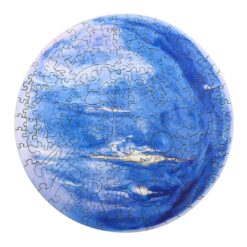
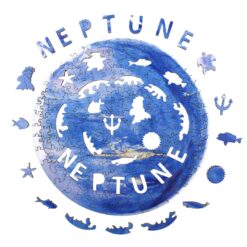
Natural Scene Puzzles
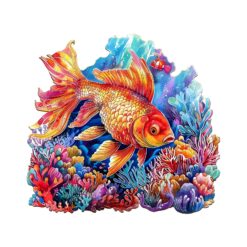
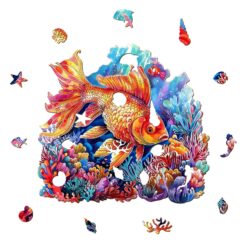
Animal Puzzles

Natural Scene Puzzles
Animal Puzzles
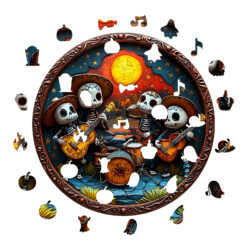
Culture Puzzles
We often relegate jigsaw puzzles to the realm of quiet pastimes—a rainy-day activity or a nostalgic holiday tradition. We speak of the satisfaction of the “click” of the final piece, the completed image of a idyllic landscape or a beloved masterpiece. But to view them merely as finished objects is to miss their profound, hidden purpose. A jigsaw puzzle is not a picture to be built; it is a dynamic, tactile map of our own cognitive processes, a silent cartographer charting the neural pathways of focus, logic, and perception.
The initial emptying of the box is a moment of pure, undifferentiated potential—a chaotic galaxy of colored cardboard. Our first instinct is to create order: find the edges, separate by color or pattern. This is the brain’s executive function taking charge, imposing structure on chaos. It is a miniature version of how we approach any complex problem, breaking it down into manageable subsystems. As we sift through the pieces, we are not just looking for a specific shape; we are engaging in a continuous, subconscious dialogue of hypothesis and testing. “This fleck of blue could be sky or water.” “That sliver of brown might be a branch or a shadow.” Each decision, each discarded possibility, strengthens our neural connections for pattern recognition.
Then comes the most fascinating phase: the shift from the known to the unknown. The edges are complete—the frame of our world is built. But the vast interior remains a mystery. This is where true exploration begins. We abandon the strict rules and start working on intuition. We hold a piece whose shape is meaningless alone, but whose color and texture feel familiar. We try a fit not because the notches align perfectly in our mind’s eye, but because it feels right. This is the brain leveraging its vast, non-verbal database of visual memory, operating on a level deeper than conscious thought. It’s a form of meditative flow state, where the external world recedes and the only reality is the search for a single, specific shade of green or the subtle direction of wood grain on a barn door.
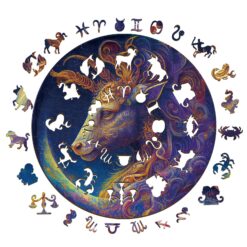
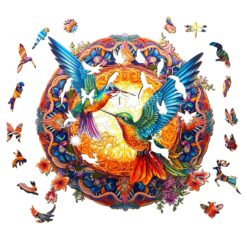
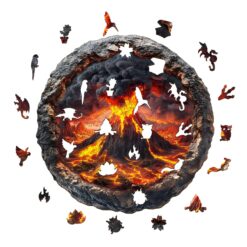
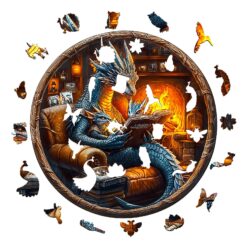
Modern puzzle designs are pushing this cognitive mapping even further. They are moving beyond representational art into the abstract and the meta. Puzzles with dual images, where the cut pattern doesn’t align with the picture underneath, force the brain to hold two competing visual models at once. Others feature “whimsy” pieces cut into intricate shapes—cats, birds, or stars—hidden amongst standard cuts. Finding these is not a logical process but a sudden, joyous moment of visual discovery, a spark of delight that rewards the subconscious mind.
Ultimately, the completed image is almost a byproduct. The real value lies in the journey—the silent, patient work of building. In a world of infinite digital distraction and instant gratification, the jigsaw puzzle is a rebellious act of slow, deliberate focus. It is a map we draw of our own attention, a testament to the human brain’s incredible ability to find meaning, connection, and quiet joy in a thousand scattered pieces.
👉 Leave your email to receive exclusive puzzle discounts, new arrivals, and family gift ideas.
Animal Puzzles
Wooden Jigsaw Puzzle – 3D hummingbird in the cave-2
Food Puzzles
Wooden Jigsaw Puzzle-French fries
$19.99Original price was: $19.99.$15.99Current price is: $15.99.Culture Puzzles
Wooden Jigsaw Puzzle – Venice Water City
Animal Puzzles
Wooden Jigsaw Puzzle – Animal Paradise
Animal Puzzles
Wooden Jigsaw Puzzle – Angry Bull
Animal Puzzles
Wooden Jigsaw Puzzle-Cute Cat
Natural Scene Puzzles
Wooden Jigsaw Puzzle – Barrel of Spring
Animal Puzzles
Wooden Jigsaw Puzzle – Retro Beautiful Peacock